Archives
- 2026-10
- 2026-09
- 2026-08
- 2026-07
- 2026-06
- 2026-05
- 2026-04
- 2026-03
- 2026-02
- 2026-01
- 2025-12
- 2025-11
- 2025-10
- 2025-09
- 2025-04
- 2025-03
- 2025-02
- 2025-01
- 2024-12
- 2024-11
- 2024-10
- 2024-09
- 2024-08
- 2024-07
- 2024-06
- 2024-05
- 2024-04
- 2024-03
- 2024-02
- 2024-01
- 2023-12
- 2023-11
- 2023-10
- 2023-09
- 2023-08
- 2023-07
- 2023-06
- 2023-05
- 2023-04
- 2023-03
- 2023-02
- 2023-01
- 2022-12
- 2022-11
- 2022-10
- 2022-09
- 2022-08
- 2022-07
- 2022-06
- 2022-05
- 2022-04
- 2022-03
- 2022-02
- 2022-01
-
There are two major isoforms of LO in
2024-05-23

There are two major isoforms of 12/15-LO in mammalian, 12 and 15- LO, with different cellular distributions. To determine the relative contributions of these isoforms towards glucose-induced monocyte-endothelial interactions, the distribution of these isoforms in the two cell types involved in leuko
-
The allosteric site of class C receptors is generally
2024-05-23
The allosteric site of class C receptors is generally located on the extracellular side of the TM domain (Brauner-Osborne et al., 2007, Christopher et al., 2015, Dore et al., 2014, Gregory et al., 2011, Harpsoe et al., 2017, Kniazeff et al., 2011, Pin and Prezeau, 2007, Urwyler, 2011, Wu et al., 201
-
It has been proven that genetic
2024-05-22
It has been proven that genetic polymorphisms can play an important role in development of hypertension and CVDs. In a Turkish population-based study, it was found that the APLNR gene (rs948847-A445C) polymorphism was not associated with coronary artery disease (CAD), but it was shown to be related
-
EPSP analogs were retrieved from PubChem
2024-05-22
EPSP analogs were retrieved from PubChem database and docking procedure yielded about eight best binding analogs (Fig. 10). The selected molecules were further assessed for their theoretical Ki values using AUTODOCK software version 4. The predicted binding efficiency of retrieved analogs was estima
-
Various antiangiogenic drugs have been analyzed over the
2024-05-22
Various antiangiogenic drugs have been analyzed over the last few years; noteworthy, bevacizumab, a monoclonal antibody against VEGF-A, alone or in combination with cytotoxic agents showed interesting results in terms of radiographic response rates and progression-free survival in initial phase 2 st
-
fasudil hcl receptor Negative regulation of AR expression by
2024-05-22
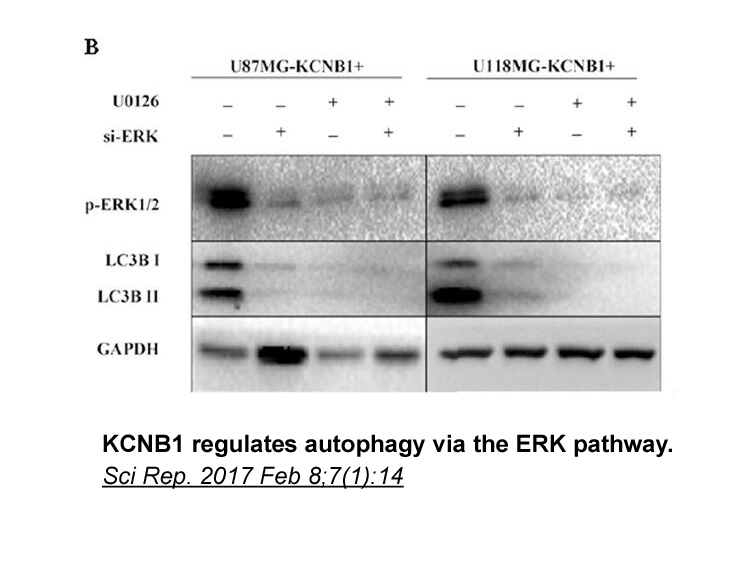
Negative regulation of AR expression by NFκB was also correlated with the ‘age-dependent desensitisation’ of androgen action in the rat liver (Supakar et al., 1995). In this case the binding site was mapped upstream of the gene to sequences −555 to −565 bp, that binds heterodimers of p65 and p50, as
-
Since HETEs and lipoxins the
2024-05-22
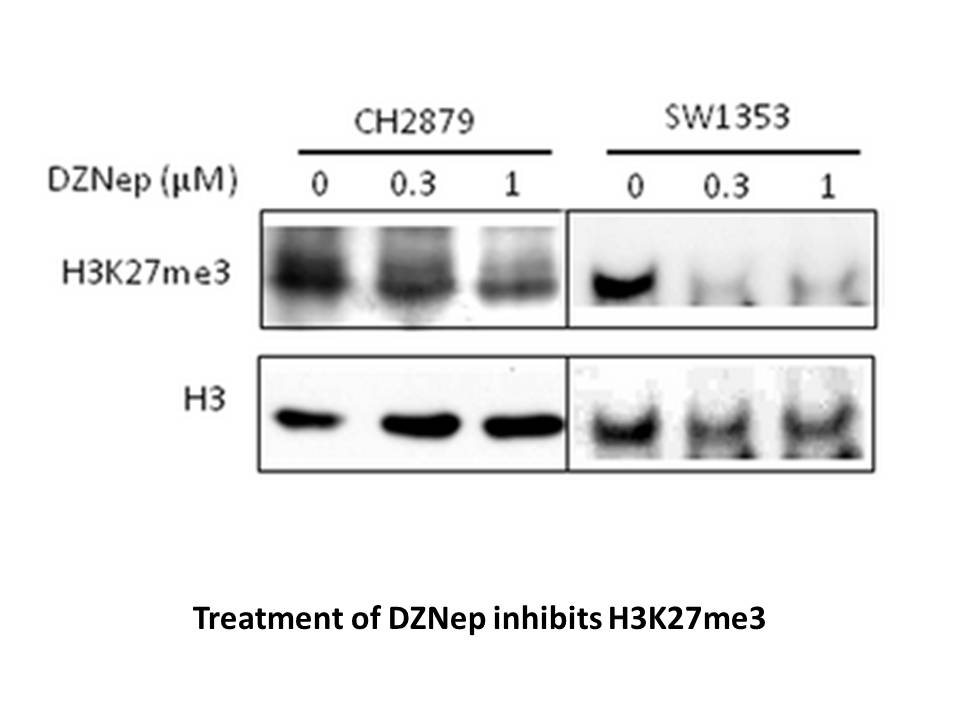
Since HETEs and lipoxins, the downstream products of 12/15-LOX from AA, may alter cellular proliferation and apoptosis,31, 32 and possibly explain the increase of tumour progression and metastasis. However, we here found that HETEs did not affect the proliferation of melanoma in vitro. This may part
-
The evidence points toward a role for LO
2024-05-22
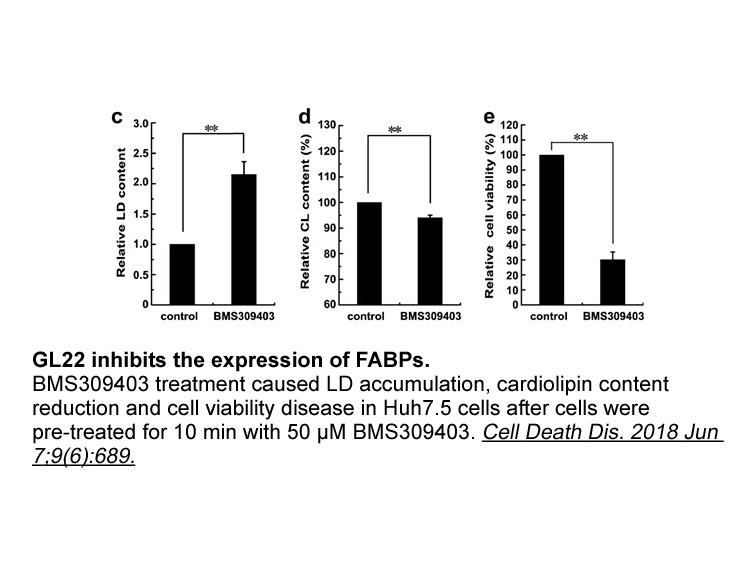
The evidence points toward a role for 12/15-LO activity in WAT in modulating chronic local inflammation and subsequent systemic metabolic decline in the obese state. However, little is known as to the role of 12- and 15-LOs in BAT. Indeed, in addition to WAT, platelet- and leukocyte-type 12-LO are e
-
br Concluding remarks The past
2024-05-22
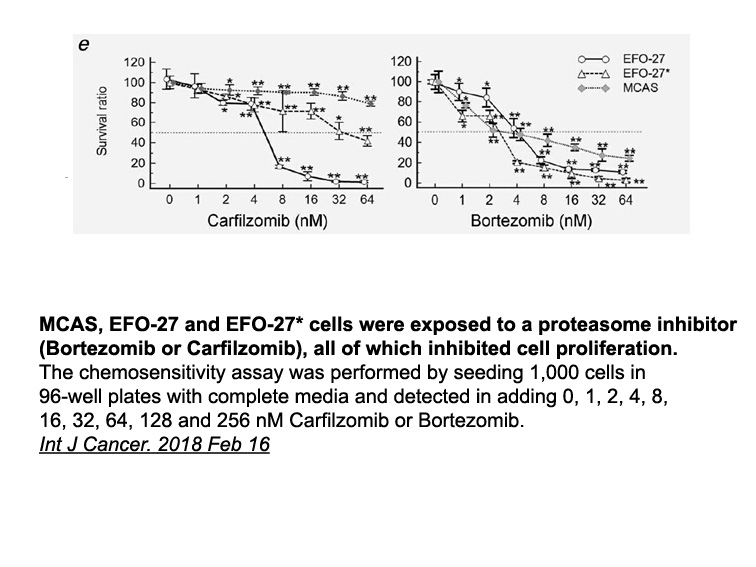
Concluding remarks The past decade has seen rapid advances in our understanding of the metabolic reprogramming that occurs during tumorigenesis. Strategies to target specific nodes of cancer cell amino dpp-4 inhibitors metabolism have progressed from preclinical studies to clinical trials, and a
-
FK228 We stimulated HNEpC cells with LPS found that the secr
2024-05-22
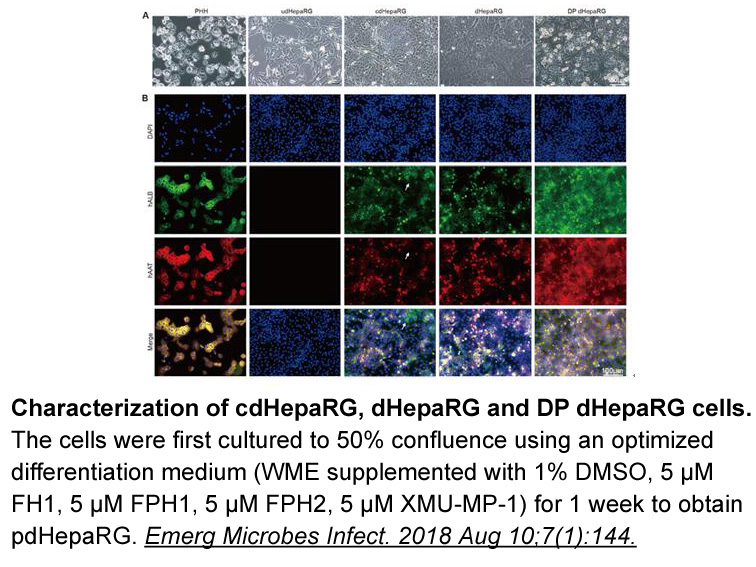
We stimulated HNEpC cells with LPS found that the secretion of inflammatory cytokines and the expression of AHR was increased significantly, and miR124 was reduced. It has been found that LPS as a foreign substance can bind to the TLR family of proteins to activate intracellular AHR signaling [[19],
-
Based on the observation that antipsychotic drugs increase
2024-05-22

Based on the observation that antipsychotic drugs increase 5-HT1A–D2 heteromerization level (Łukasiewicz et al., 2016), we set out to compare the effect of paroxetine to that of risperidone. Paroxetine, a potent SSRI, is very effective in the treatment of depression and anxiety disorders, e.g., gene
-
Adenosine can modulate neutrophil bactericidal functions
2024-05-22
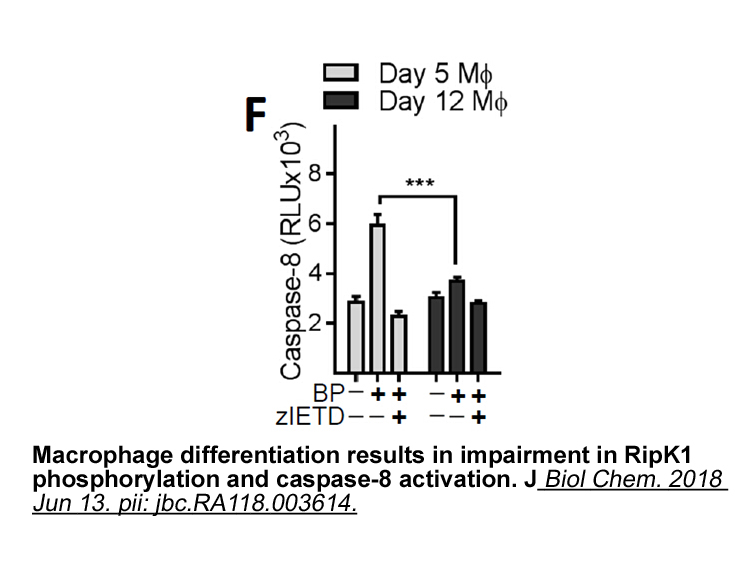
Adenosine can modulate neutrophil bactericidal functions. A dual regulatory effect has been reported for adenosine on phagocytosis. Indeed, the activation of A1 receptors augments this process, while the stimulation of A2A receptors was found to reduce the phagocytic activity of neutrophils [89]. In
-
br Conflict of interest br Ethics
2024-05-22
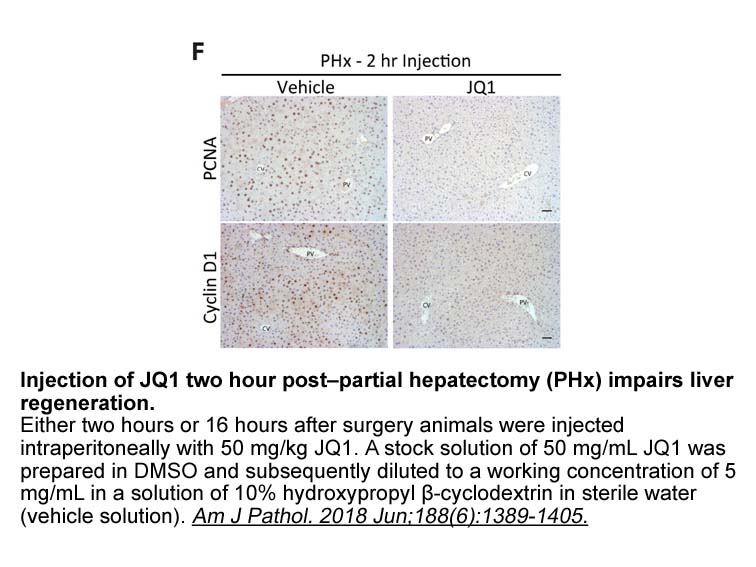
Conflict of interest Ethics committee Introduction Severe combined immunodeficiency due to adenosine deaminase deficiency (ADA-SCID) is characterized by impaired function and differentiation of T, B, and natural killer (NK) cells. Non-immunological abnormalities may also occur, including fa
-
MicroRNA miRNA is an abundant group of small nucleotide nonc
2024-05-22
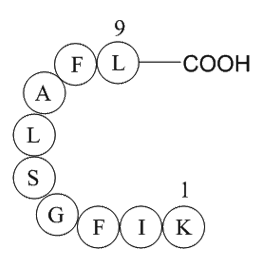
MicroRNA (miRNA) is an abundant group of small (22-nucleotide) noncoding RNA molecules that directly binds with 3′ untranslated region (UTR) of target messenger RNAs (mRNAs) to regulate gene expression, playing an important role in variety of biological processes including cell proliferation, apopto
-
Using constant potential amperometry and electrochemical enz
2024-05-22
Using constant potential amperometry and electrochemical enzyme-based biosensors selective for choline—and, therefore, an accurate readout of SKL2001 release (Baker et al., 2015; Bruno et al., 2006a; Parikh et al., 2004, 2007)—tonic and phasic release of acetylcholine were measured simultaneously i
7971 records 182/532 page Previous Next First page 上5页 181182183184185 下5页 Last page